What If Writers Built Specs Like Coders Do?
Developers using AI coding tools have figured out something that writers haven't caught onto yet: the best results come when you slow down and let the AI interview you before it produces anything.
The approach is called spec-driven development, and it's been gaining traction in the Claude Code community since Tariq, an Anthropic engineer, shared his workflow on social media. His method: start with a minimal prompt, ask the AI to interview you with dozens of clarifying questions, then use the resulting specification document to guide the actual coding. Interview first, spec second, code last. A recent video from Developers Digest walks through the approach in detail.
"For big features or for new projects, Claude might ask me 40 questions and I end up with a much more detailed spec that I feel I had a lot of control over."
— Tariq, Anthropic engineer
The insight behind this approach is simple. When you give an AI a prompt, it makes assumptions—dozens of them. Ask it to "add authentication to my app" and it might implement JWT tokens when you wanted OAuth, or build a custom system when you wanted to use a managed service like Clerk. You don't discover these buried assumptions until you're reviewing code that took time and tokens to generate. The interview process surfaces those decisions early, when they're cheap to change.
Why This Matters for Writing
The same dynamic plays out when writers use AI. Give it a prompt like "write an article about remote work trends" and the AI will make assumptions about audience, tone, structure, depth, angle, what to emphasize, what to leave out. You get something back, but it's built on choices you never made. Then you spend your time wrestling the output toward what you actually wanted.
What would spec-driven development look like for writing?
Possible Specs for Writing
In coding, a spec is a technical document that describes what the software should do before anyone writes code. The writing equivalent doesn't have a standard form yet, but several possibilities suggest themselves:
The Audience Brief. The AI interviews you about who will read this piece. What do they already know? What do they care about? What would make them stop reading? What action might they take afterward? What are they skeptical about? What language do they use? A detailed audience portrait could anchor everything else.
The Voice Document. What should this sound like? Not just "professional" or "casual" but specific: short sentences or long? Technical vocabulary or plain language? First person or third? Direct assertions or hedged claims? Examples from other writers whose voice you want to echo? This spec might include sample sentences that capture the target register.
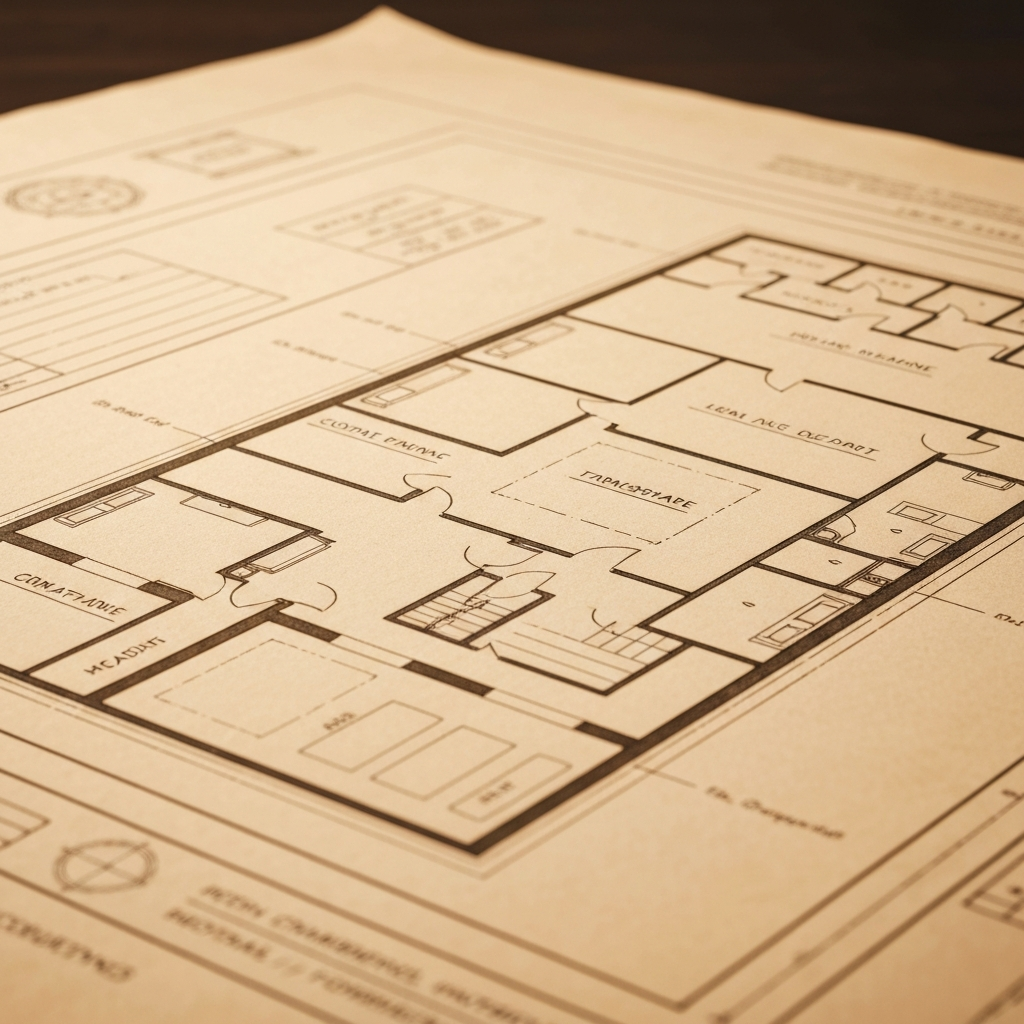
The Structural Map. Before drafting, the AI asks about the shape of the argument. Where does the reader start, and where do they end up? What's the key turn or revelation? What needs to come early to set up what comes later? Should this build to a conclusion or start with the punchline? A structural spec would be like an architect's blueprint—not the building, but the plan for the building.
The Constraint Document. What should this piece not do? What topics are adjacent but out of scope? What tone would be wrong? What arguments have been made too many times already? What length is unacceptable? Sometimes defining the negative space matters as much as defining the content.
The Evidence Inventory. Before writing anything, the AI asks what sources, quotes, examples, or data you want to include. What must be cited? What can be paraphrased? What have you read that should inform this but not appear directly? This spec would be especially useful for research-heavy writing.
The Stakes Statement. Why does this piece need to exist? What's the gap it fills? What happens if readers don't encounter it? Why now? An AI that understood the stakes might make better choices about emphasis and framing throughout.
The Deeper Shift
Traditional prompt engineering was about crafting perfect instructions—getting everything right in one shot. Spec-driven development treats the prompt as a starting point for a conversation. The AI helps you discover what you actually want through structured questioning.
This mirrors something writers have always known: you often don't know what you think until you start writing. The spec-driven approach adds a formal step before drafting where that discovery happens through dialogue rather than through revision.
The pattern emerging in AI coding—interview, spec, execute—may turn out to be a general pattern for all AI-assisted knowledge work. We're watching it develop in real time among developers. Writers might be next.
What to Watch
Pay attention to whether writing tools start building interview modes the way coding tools have. Watch for writers who develop their own spec formats and share them. And notice whether the spec-driven approach produces writing that feels more controlled and intentional—or whether something gets lost when the messy process of discovery moves from drafting to dialogue.